THE FARM
The Farm
ALMOND ORCHARDS, VINEYARDS AND A PLACE AT THE TABLE
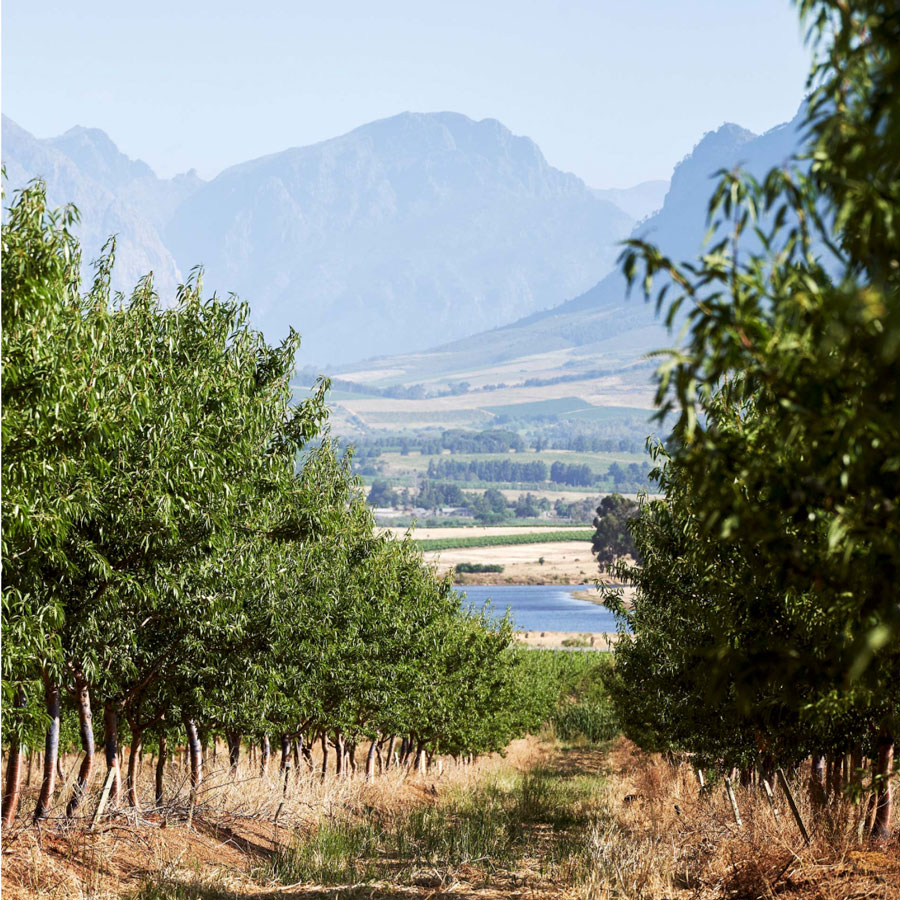
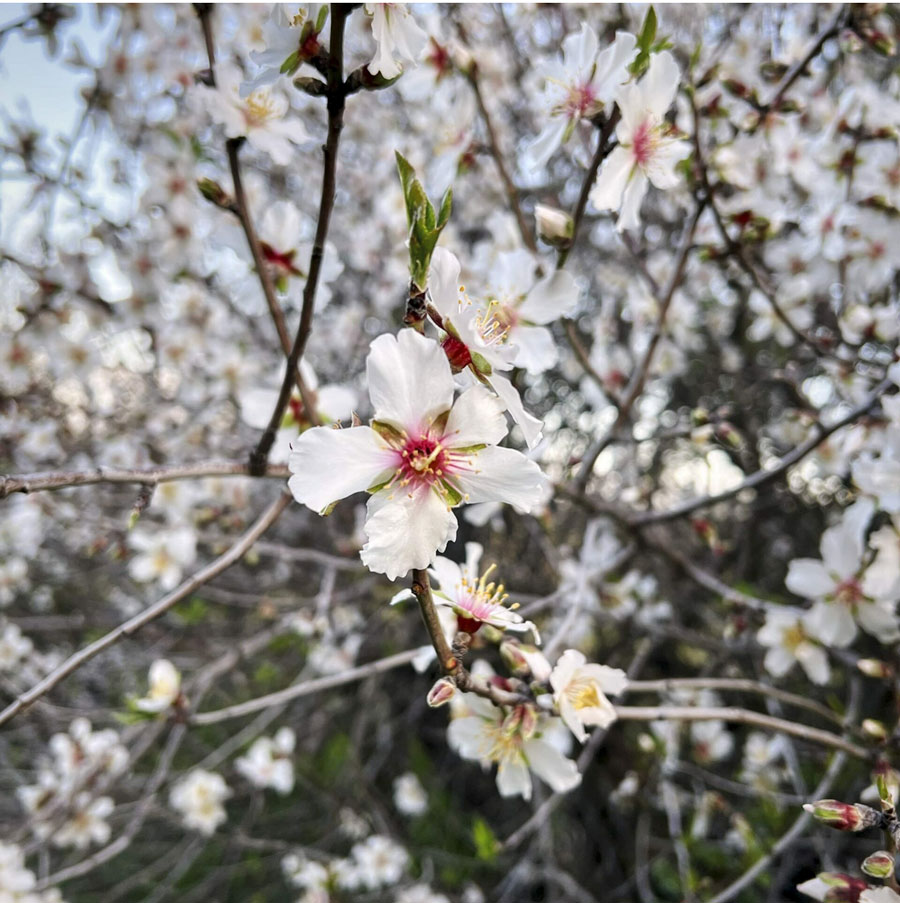
Vondeling Vrymansfontein occupies a working almond and wine farm on the southern slopes of Paarl Mountain. Orchards and vineyards surround the hospitality spaces, with views across the valley towards the Simonsberg and Table Mountain.
The property’s agricultural history stretches back to the seventeenth century. Today, farming continues alongside SCAPE, The Shed, Tree Bar and Vondeling Cellar Door.
A Blossoming Legacy: From Orchard to Oasis
Located on one of Paarl’s oldest parcels of land, this extraordinary farm has witnessed numerous transformations throughout the ages. Yet, in its present state, we have discovered its calling, firmly rooted in almond cultivation.
A Glimpse into the Past
In the late 17th century, the Dutch Cape Colony granted this land to Barend Janse van Swol, the first in a long line of Dutch heritage owners. These early settlers cultivated the fertile soil, a tradition that has been carried on by their descendants to this very day.
The farm’s history is etched into its landscape, with enduring structures like the old manor house, which was meticulously built and expanded over two centuries. The grand gable at the front of the manor, a testament to craftsmanship, dates back to the 1780s.
In the latter half of the 20th century Vrymansfontein was transformed into a sprawling wine farm, boasting nearly 260 hectares of vineyards and a cellar with a 2000-ton capacity. The farm even housed a brick factory, founded in 1974, using the rich clay soil for the bricks used in constructing its buildings, an unexpected story of sustainable building practices that we proudly carry forward.
A Commitment to Sustainability
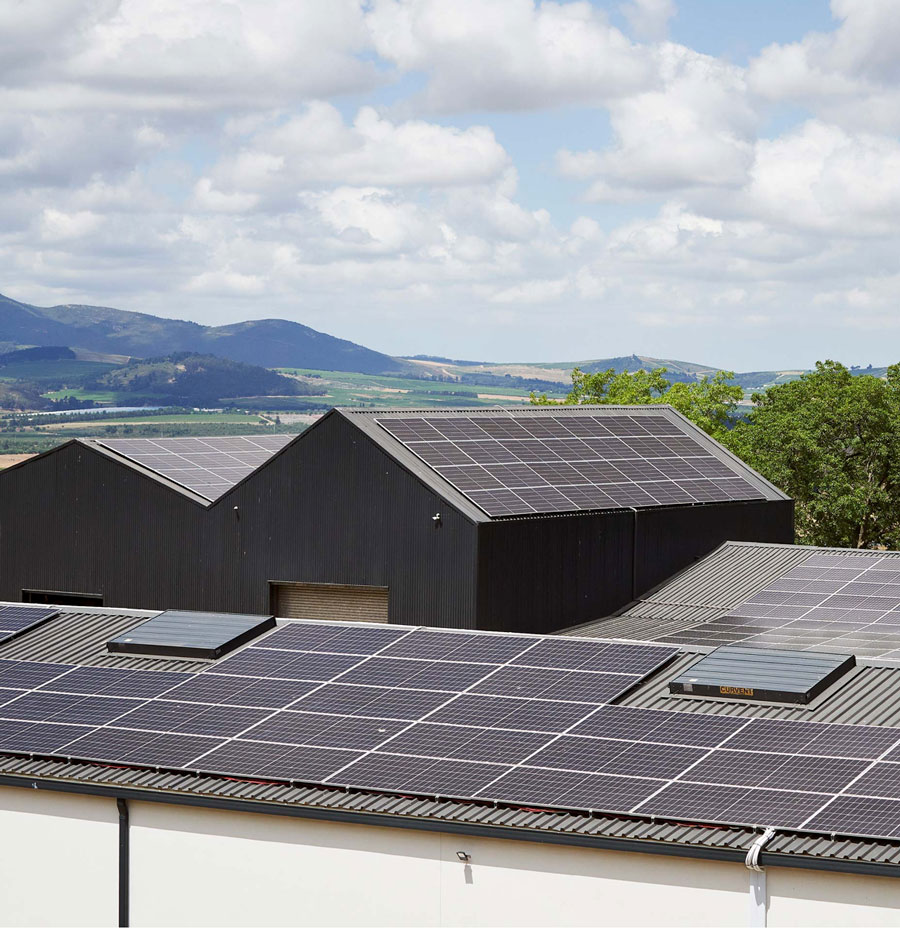
Today, sustainability is at the heart of Vondeling Vrymansfontein. We are passionate about preserving this beautiful piece of land and ensuring that it thrives for generations to come. Our commitment extends beyond almond farming and into conservation and sustainable farming practices, a dedication that is mirrored at Vondeling.
Our commitment to sustainable practices encompasses responsible water management, use of renewable energy solutions, and ensuring the well-being of our 40 strong team who live on the farm. Through innovative irrigation techniques, precision farming, and environmentally conscious pest management, we aim to not only produce high-quality, nourishing almonds but also to be collaborative stewards of the land.
A Resilient Revival
We invite you to be a part of our story, to experience the history, sustainability, and blossoming legacy of Vondeling Vrymansfontein. Join us as we honour the past and celebrate the future. Explore our beloved family-owned farm, and experience a sanctuary of sustainability where every corner holds a piece of our story.
A Resilient Revival
We invite you to be a part of our story, to experience the history, sustainability, and blossoming legacy of Vondeling Vrymansfontein. Join us as we honour the past and celebrate the future. Explore our beloved family-owned farm, and experience a sanctuary of sustainability where every corner holds a piece of our story.